Mobile Blackjack: A Comprehensive Guide to Playing for Real Money
July 6, 2026Online Scratch Cards in the UK A Comprehensive Guide
July 6, 2026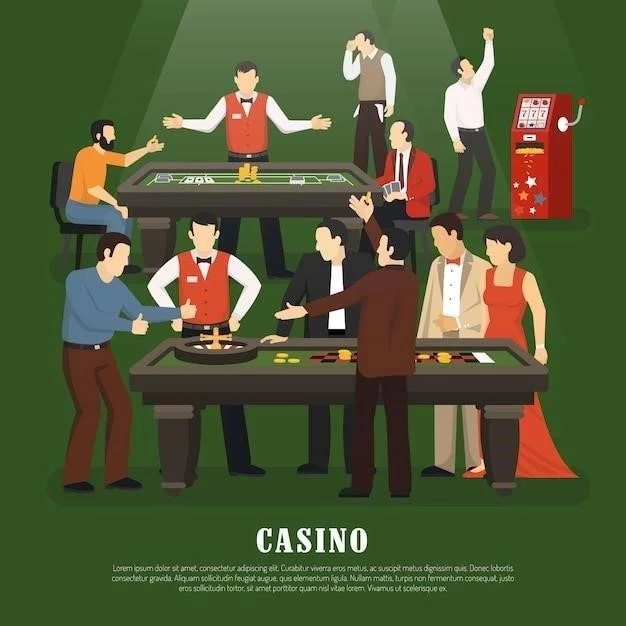
The question of whether you can play poker in public isn’t a simple yes or no. It heavily depends on location, the nature of the game (casual vs. commercial), and local laws. This article breaks down the complexities, offering a comprehensive overview.
Understanding the Legal Landscape
Poker’s legality is often categorized into three main areas: commercial gambling, social gambling, and illegal gambling. Public poker games usually fall into the first two.
Commercial Poker (Casinos & Poker Rooms)
In many jurisdictions, playing poker in licensed casinos or dedicated poker rooms is perfectly legal. These establishments operate under strict regulations, ensuring fairness and compliance with gambling laws. Nevada, New Jersey, Pennsylvania, Michigan, and several other states have legalized commercial poker. These venues pay taxes and are monitored by gaming commissions.
Social Poker (Home Games & Informal Gatherings)
This is where things get tricky. “Social poker” refers to games played amongst friends or acquaintances, typically with no one profiting from running the game itself. Many states allow social poker, but with limitations. These limitations often include:
- No “rake” or house cut: The host cannot take a percentage of each pot.
- Low stakes: Many jurisdictions cap the amount players can bet or win.
- Private setting: The game must be held in a private residence or a similarly non-public space.
- Frequency limits: Some laws restrict how often social games can be held.
Playing poker in a public place like a bar, restaurant, or park, even if it’s a friendly game, often violates these restrictions and can be considered illegal gambling.
Public Places: Where It Gets Complicated
Generally, organizing or participating in poker games in truly public spaces – parks, sidewalks, beaches – is illegal in most places. Even if no money changes hands (playing for “fun”), it can be construed as unlawful gambling.
Bars and Restaurants
Some bars and restaurants may host poker nights. However, they must comply with local gambling laws. Often, they operate under a special permit or license, treating the poker night as a mini-casino. If a bar is running a poker game without proper licensing, both the establishment and the players could face penalties.
Charity Poker Tournaments
Charity poker tournaments are often legal, but they are heavily regulated. Organizations must obtain permits, donate a significant portion of the proceeds to charity, and adhere to strict rules regarding advertising and participation.
Penalties for Illegal Poker
The penalties for illegal poker can vary widely. They can range from:
- Fines: Often a few hundred dollars.
- Confiscation of funds and equipment: Money and cards used in the illegal game can be seized.
- Misdemeanor charges: Leading to a criminal record.
- More severe penalties: For repeat offenders or large-scale illegal operations.
State-Specific Laws
It’s crucial to understand the laws in your specific state. Resources like the National Conference of State Legislatures (https://www.ncsl.org/) and legal websites can provide detailed information;