
Slots of Vegas Casino Review
April 3, 2026
Princess Margaret Lottery Funding Cancer Breakthroughs
April 3, 2026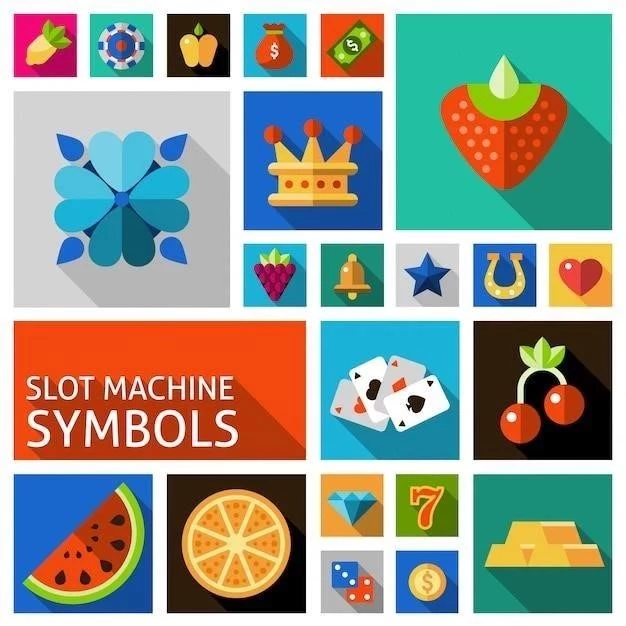
The term ‘slot’ is remarkably versatile, carrying a spectrum of meanings across various domains. Its interpretation depends on context, ranging from recreational to highly technical uses. Understanding these diverse applications is truly key to appreciating its full scope.
Primary Meaning: The Allure of Slot Machines
Its most common association, a slot machine refers to an electronic or mechanical gambling device creating a game of chance for its users. Players insert currency and activate the machine, typically by pulling a lever or pressing a button, hoping to land matching symbols on spinning reels to win payouts.
Mechanics and Gameplay
Modern slot machines, or “video slots,” use a random number generator (RNG) for outcomes, ensuring independent spins. They feature various themes, bonus rounds, and progressive jackpots, enhancing player engagement. Their core appeal is simplicity and the potential for significant, albeit rare, wins.
Historical Context
The “Liberty Bell,” the first slot machine, was invented in the late 19th century by Charles Fey. These early mechanical devices featured three reels and symbols like horseshoes and a liberty bell. Their popularity quickly spread, foundational for the global gambling industry.
Modern Evolution
Today’s slots evolved dramatically. From physical levers to touchscreens, and simple fruit symbols to complex narratives, they represent a significant portion of casino revenue worldwide. Online slots expanded their reach, allowing access from anywhere.
Beyond Gambling: Functional and Temporal Slots
Beyond the casino floor, ‘slot’ takes on more practical meanings, often denoting a specific space, position, or allocated time.
Physical Openings and Receptacles
In a literal sense, a slot can be a narrow opening or groove for insertion. Examples include a coin slot in a vending machine, a mail slot in a door, or expansion slots (like PCI or PCIe) on a computer motherboard for components. They serve as functional interfaces for connection or input.
Time and Appointment Slots
When discussing scheduling, a ‘slot’ refers to a designated time period for an activity or appointment. For instance, “I have an open slot in my calendar at 3 PM” indicates availability. This usage is common in professional settings, event planning, and personal organization, facilitating efficient time management.
Figurative and Abstract ‘Slots’
Figuratively, ‘slot’ describes a designated position or role within a system, team, or hierarchy; For example, “There’s an open slot for a defender on the football team” implies a vacant position. Similarly, a news anchor might occupy a particular “time slot” on a broadcast schedule, highlighting placement.
Technical and Linguistic Interpretations
The term also finds specialized use in technical fields and linguistics.
Computer Science and Engineering
In computing, ‘slots’ refer to data placeholders in a data structure, or physical connectors. For instance, in object-oriented programming, a “slot” might represent an attribute or method of an object. Hardware slots on circuit boards facilitate modular expansion, enabling customization or upgrades by adding specialized cards.
Linguistics and Grammar
In linguistics, particularly in syntax, a ‘slot’ can refer to a position in a sentence structure fillable by a specific word or phrase. For example, the subject slot or the object slot. This concept aids analysis of sentence construction and grammatical roles of linguistic elements.
In summary, the word ‘slot’ showcases the richness of the English language. From the thrilling reels of a casino machine to a precise opening on a circuit board, an allocated moment in time, or a grammatical position, its meaning is profoundly shaped by its surrounding context. Recognizing these interpretations enriches understanding and communication. The adaptability of ‘slot’ makes it a valuable and widely used term.